
At the edge: why I keep doing this work

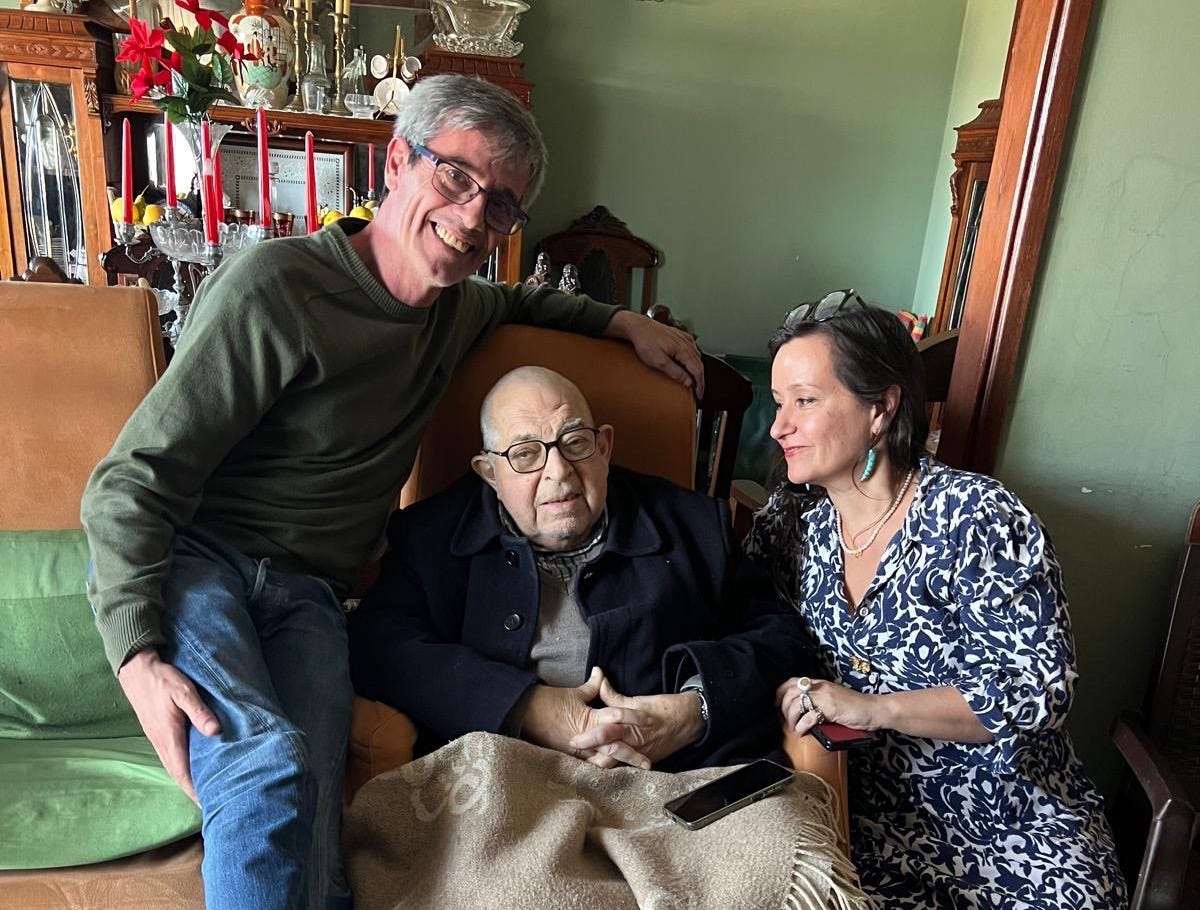
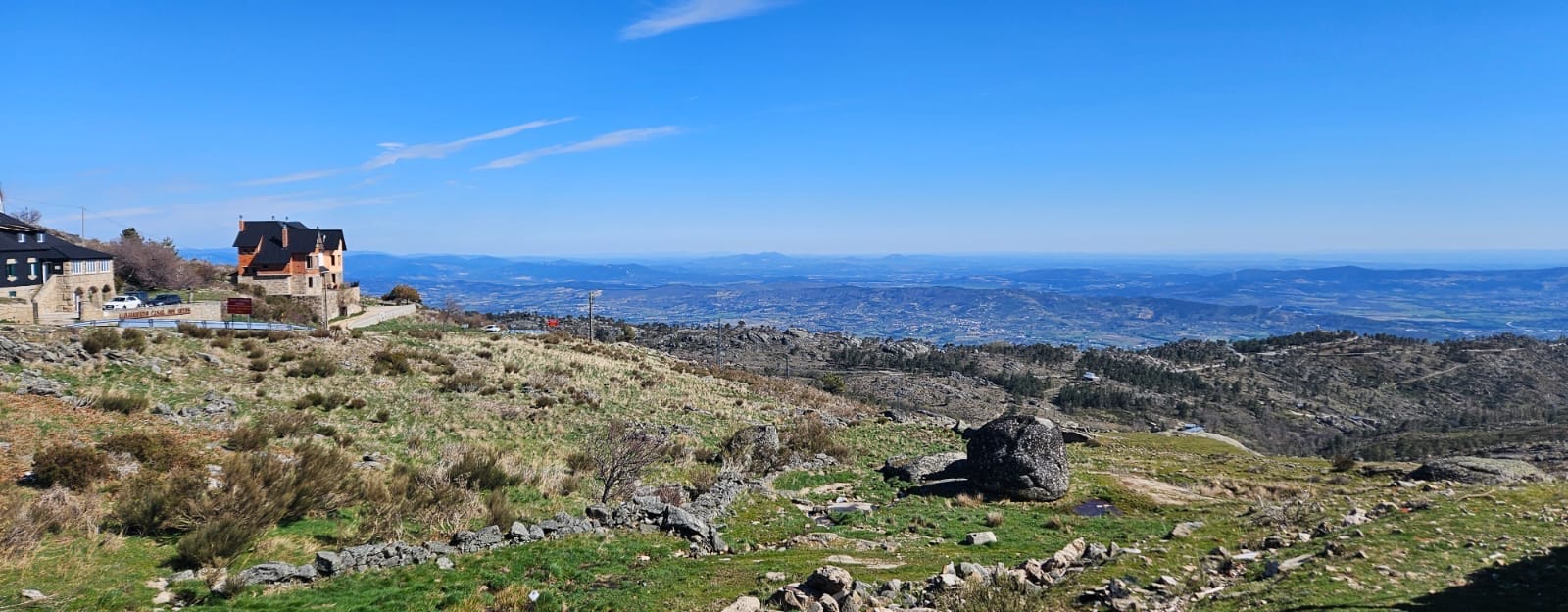
This weekend I was in Portugal with my mum, in the small place her maternal family comes from, meeting second and third cousins I hadn’t seen for a long while. There’s something about those moments—where time stretches across generations, where you are both inside and outside at once—that brings me back to a feeling I’ve had for most of my life: being between worlds. Between cultures, between perspectives, between ways of understanding what matters. That liminal space—slightly disorienting, often uncomfortable, but full of possibility. Sitting there, I realised again that this is also where I spend most of my professional life.
Because futures and foresight, at its best, is a practice of standing at the edge. Not escaping the present, but loosening its grip just enough to see differently—and then returning with intent. So when I’m asked what keeps me motivated to do this work, and to now write a book about it, the answer is quite simple: I see, every day, that the future is already being built—just not evenly distributed.
I see it in people working on indigenous leadership in the Congo Basin, in those pushing to embed future generations into constitutional thinking in Zimbabwe, and in educators in Kenya experimenting with what it means to teach for the future. I see it in practitioners across Latin America and South Asia who are quietly reshaping systems from within. These are not abstract ideas; they are lived experiments. What gives me motivation is knowing that these efforts exist, often below the surface and often unrecognised—but real, and growing. It is the sheer volume of what is already happening around us.
Occasionally, these efforts connect with moments at a different scale. In 2024, countries came together to sign up to the Declaration on Future Generations. In a fragmented and often pessimistic global context, that matters. Not because it solves anything overnight, but because it signals something important: that even now, there is a shared recognition that the wellbeing of current and future generations must be held together. That we do, collectively, want to try—even in the darkest of times.
For me, this is where foresight shifts from being a set of tools to something more fundamental. It is not a distant object to analyse, but a mirror. A way of interrogating the assumptions we hold about the present, and of speaking truth to power—sometimes quietly, sometimes more directly. It creates spaces where people can come together to imagine and build alternatives. There is something slightly subversive in that, and also something deeply human.
And at its heart, this work is not only serious—it is also joyful. It is about “playing with time”: unsticking ourselves from the immediacy of the now and trying on different roles and perspectives. Sometimes navigating like sailors through uncertainty, sometimes cultivating like gardeners across seasons we may never fully see, and sometimes stepping into the jester’s role—questioning what seems fixed and exposing what is taken for granted. These are not just metaphors; they are ways of working, ways of being in practice.
The other thing that keeps me motivated is this: in every country and every sector, there are people already leaning into this work. Early adopters, often working at the edges, often feeling isolated—but part of something much bigger. A community that is there, whether or not it is fully visible yet. My role, increasingly, feels less like leading and more like weaving—connecting people, surfacing what is already happening, and helping to make the invisible visible so that it can grow.
So the question I’m left with, and that I’m increasingly asking others, is a simple one: how do we each, in our own contexts, learn to play with time?